
Faith Health
Leadership Dialogue
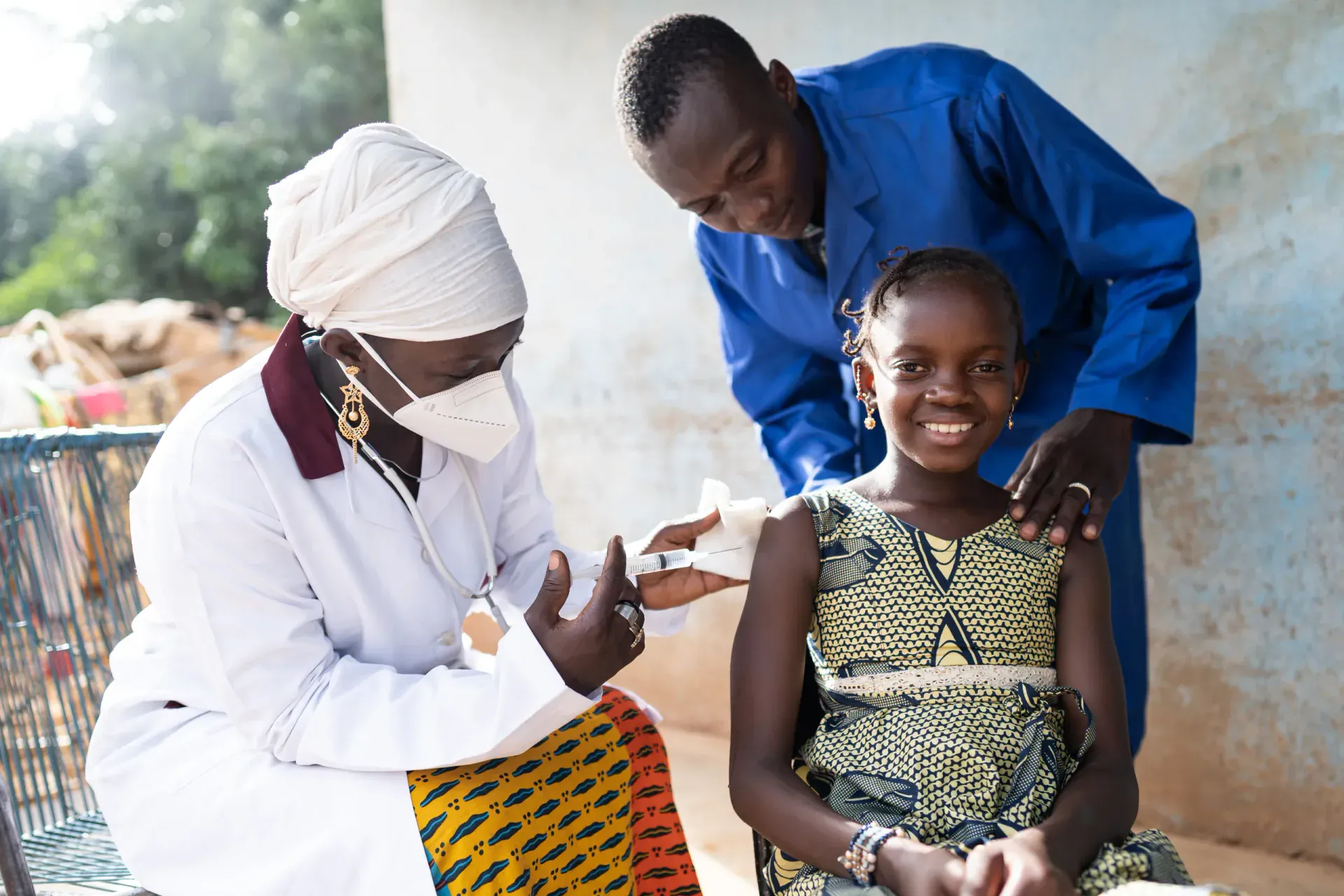
Healthcare professional with a young patient

Rome | 4–6 November 2026

About the Dialogue

Purpose

At a time when advances in artificial intelligence, biomedical science and digital connectivity are transforming healthcare, health systems are also facing growing pressure from ageing populations, chronic disease, workforce shortages and rising costs.

Against this backdrop, the Faith-Health Leadership Dialogue will bring together a small group of senior leaders to explore how models of care can be both technologically enabled and deeply human — grounded in dignity, equity and participation.

As people live longer but access to care and capability becomes more unequal, the Dialogue provides an opportunity for trusted institutions to collaborate on practical solutions and articulate a shared vision for a more just, compassionate and inclusive future of care.

Inspired by Pope Leo XIV's call in Magnifica Humanitas for a broad social dialogue on the stewardship of emerging technologies, participants will consider how innovation can strengthen relationships of care, community and solidarity, particularly for the poor and vulnerable.

As Pope Leo writes:

"Solidarity arises precisely when we decide not to remain indifferent to what happens to our neighbour but instead to transform unavoidable bonds—economic, cultural and technological—into paths of sharing, cooperation and mutual care"

In that spirit, the Dialogue seeks to help shape a future in which technological advancement and human dignity advance together for the common good.

Guiding principle

The Faith Health Leadership Dialogue addresses the intersection of rapid technological advancement and increasing global health disparities. By convening senior leaders from diverse organisations and faiths worldwide, we aim to advocate for and help shape a more compassionate, equitable, and inclusive healthcare landscape. Our mission is to dismantle health inequities and develop sustainable, deeply human care models that prioritise marginalised communities and strengthen solidarity.

Hands clasped in care between healthcare worker and patient

Strategic Context

Health systems are being reshaped by rapid advances in biomedical science, AI technologies, data and connectivity, while also facing ageing populations, growing chronic disease, fragmented experience, workforce shortages, and rising costs. Private company advancements in technologies, driven by profit, threaten to grow the economic divide in access to the best treatments. AI technologies derived from historical datasets that exclude many vulnerable populations can carry biases. Autonomous care decisions and communications by AI agents can lack full human context and diminish human dignity (and fail silently). Digitally enabled models can improve access and continuity of care, but without deliberate design they may deepen inequity by favouring those with greater resources, digital literacy and stable living conditions.

For mission- and values-driven health ministries, the central question is how to keep this transformation person-centred, participatory and just.

Thus the dialogue aims to guide and inspire development of future models of care, with the opportunities that technologies are enabling, so they remain deeply human:

  • Enhancing human dignity
  • Addressing healthcare inequities
  • Ensuring universal participation.

With a focus on the poor and vulnerable, we can ultimately strengthen solidarity and community